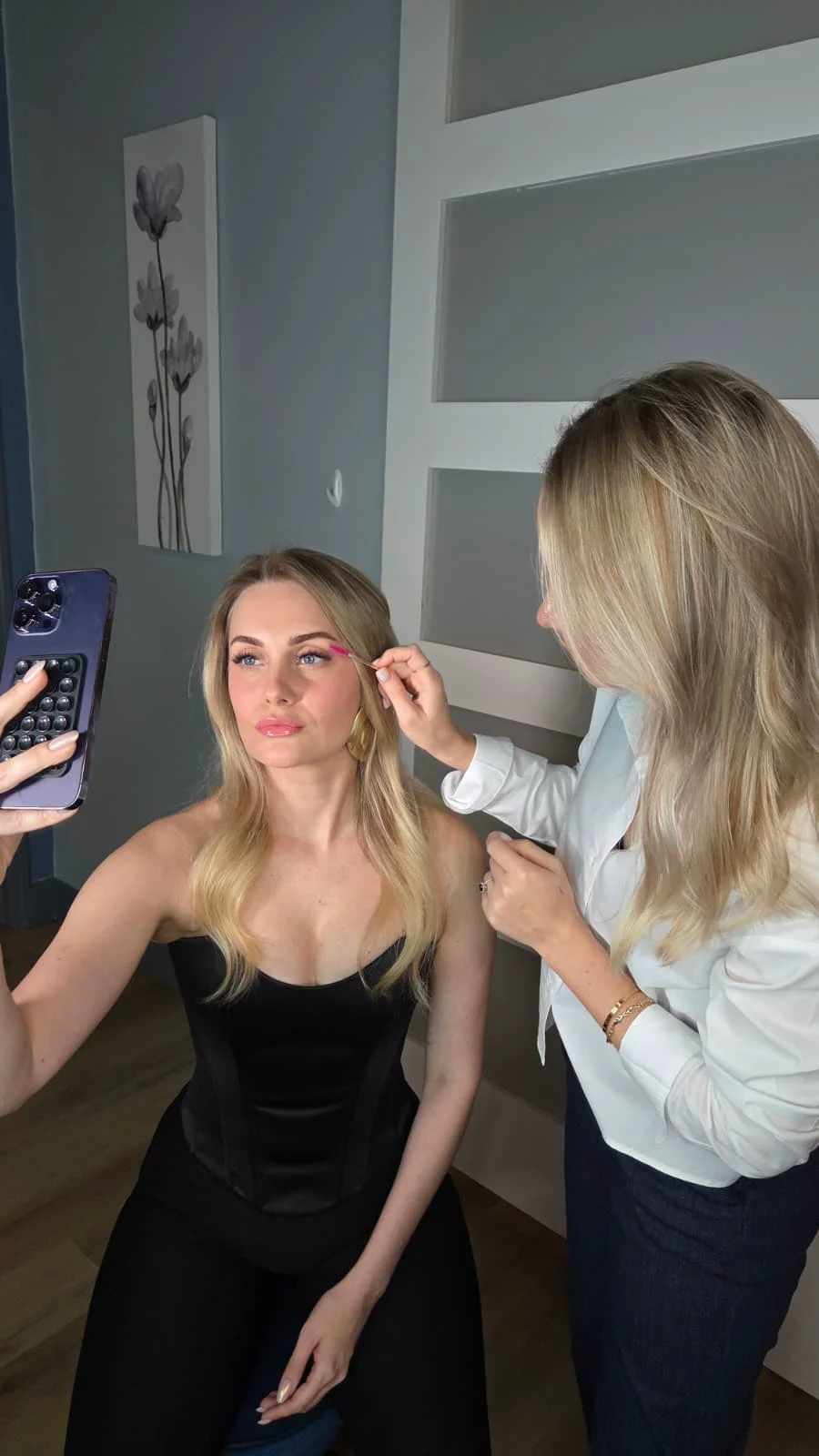
You walked out of your lash appointment looking incredible. Three days later, you can already see gaps. By day eight you are picking lonely extensions off your cheek and wondering if you got a bad set. Here is the truth: most early shedding has nothing to do with the artist. It is a handful of small daily habits, and once you fix them, retention gets dramatically better.
We have done thousands of lash sets at our South Fort Myers studio, and we see the same patterns repeat. Florida humidity, heavy moisturizers, hot pillowcases, the wrong cleanser. None of these things are catastrophic on their own. Stack two or three together and you are losing extensions a full week before you should.
What this post covers
- The 24-hour cure window and why most people break it without realizing
- The four daily habits that quietly destroy lash retention
- How Fort Myers humidity affects adhesive bonds (and what to do about it)
- When early shedding is actually a sign you need a fill, not a redo
The 24-Hour Cure Window Is Real
Lash adhesive does not finish curing the moment you stand up from the bed. It needs roughly 24 hours of dry, undisturbed time to form a complete bond with your natural lash. During that window, water, steam, oil, and friction all weaken the bond before it has fully set.
The most common mistake is jumping in a hot shower the same evening. The steam softens the adhesive at exactly the wrong moment. You do not see the damage immediately, but those bonds are now weaker, and they release lashes one by one over the next four to seven days.
Skip the workout, skip the steam, and use a damp washcloth on your face instead of getting your eyes wet. Twenty-four hours feels like nothing once you build the habit, and the difference in retention is significant.
The Four Daily Habits Killing Your Retention
Oil-based products near the eye area. Cleansing balms, micellar water with oil, sunscreen with mineral oil, and most "hydrating" makeup removers all dissolve cyanoacrylate adhesive. Read your eye-area products. If oil is in the first half of the ingredient list, swap it.
Sleeping face-down on a cotton pillowcase. Cotton fibers grab extensions and bend them sideways while you sleep. Switch to silk or satin and either sleep on your back or your side. Side sleepers lose roughly twice as many lashes per night as back sleepers.
Skipping the daily cleanse. Yes, you have to wash your lashes every single day. Skin oil, makeup residue, and dust collect at the lash line and break down adhesive over time. A foam lash cleanser and a clean spoolie takes 30 seconds. Our full eyelash hygiene routine walks through it step by step.
Rubbing your eyes. Allergies, tiredness, contact lens irritation. We rub our eyes more than we think. Press, do not rub. If you wear contacts, put them in before any moisturizer or cream and take them out gently from the corner.
Want a personal retention plan?
Tell us your name and number. We will text you to talk through what is shedding lashes for your routine, and book a fill if you need one.

Fort Myers Humidity: Friend or Foe?
Lash adhesive actually cures with humidity, not against it. The cyanoacrylate reaction needs ambient moisture to set the bond. In an artist's room we control humidity carefully, usually 50 to 65 percent. Outside, Fort Myers and Lee County run anywhere from 40 percent in February to over 85 percent in July.
Very high humidity, the kind we get in August, speeds up the cure but can also make adhesive flash too quickly during application. A skilled artist adjusts adhesive choice and dwell time for the season. If your retention falls off a cliff in summer, the issue is often product selection, not the artist's hands. Ask whether they use a slower-cure or sensitive adhesive in peak humidity months.
What you control at home: do not jump from a freezing AC car into a steamy outdoor afternoon, immediately walk into a sauna, or shower with the door closed and water on full hot. Sudden humidity swings shock fresh adhesive. Let your space equalize first.
Is It Really Shedding, or Are You Due for a Fill?
Natural lashes shed on their own cycle, roughly two to five lashes per day per eye. That is a normal cycle, not a retention problem. By week two, you have lost 20 to 40 percent of the originally placed extensions just from natural shedding. By week three, half are gone.
This is why fills exist. A fill at the two- to three-week mark replaces what naturally shed and refreshes the look without building up too much weight. If you are losing extensions at week three, you do not need a redo, you need a fill. Retention concerns are real when you lose 30 percent or more in the first seven days.
If you are ever unsure, send your artist a photo on day seven. We will tell you honestly whether what you are seeing is normal cycling or a sign something needs to change. Our lash extension service page has fill timing and pricing if you want to plan ahead.
What to Change This Week
Pick three things. Do not try to overhaul everything at once. The realistic version: protect the first 24 hours, switch your pillowcase, and replace any oil-based eye product. That alone moves most clients from "shedding fast" to "lasting through their fill."
Add the daily cleanse next, and read your sunscreen ingredients before you head to Fort Myers Beach or Sanibel for the weekend. Mineral sunscreens with no oil are perfect under the eyes. SPF on the cheekbone, not directly on the lash line.
Lash extensions are an investment. Treat the first 24 hours like a soft cast and the rest of the cycle like good hygiene, and you will get every dollar's worth out of every set.
The Two-Week Mark: A Decision Point
By the end of week two, you have a clearer picture of how a set is performing. If you have lost roughly a quarter to a third of the original lashes, that is normal cycling, and a fill at week three keeps you fresh. If you have lost half, the issue is retention, and we need to talk about what changed.
Common culprits we see at the two-week mark: a new skincare product introduced after the appointment, a vacation in the middle of the cycle, or a change in seasonal humidity. Pull up your routine and walk through the past 14 days. The answer is almost always there.
If retention is honest-to-goodness bad through no fault of your own, tell us. We track adhesive batches, room conditions, and any other variables on our end. A handful of times a year, an adhesive batch underperforms and we replace sets at no cost. Honesty in both directions makes long-term lash relationships work.
If you live in Cape Coral, Estero, or anywhere in Lee County and you are not sure whether your shedding is normal or a problem, send us a photo. A 30-second look tells us more than 10 minutes of describing it.