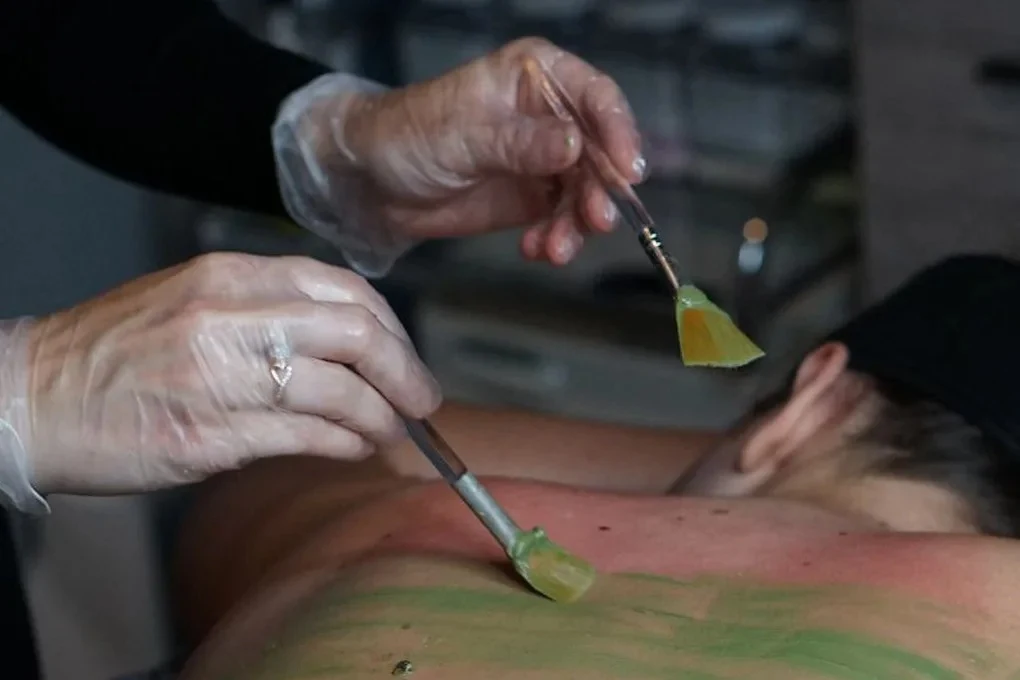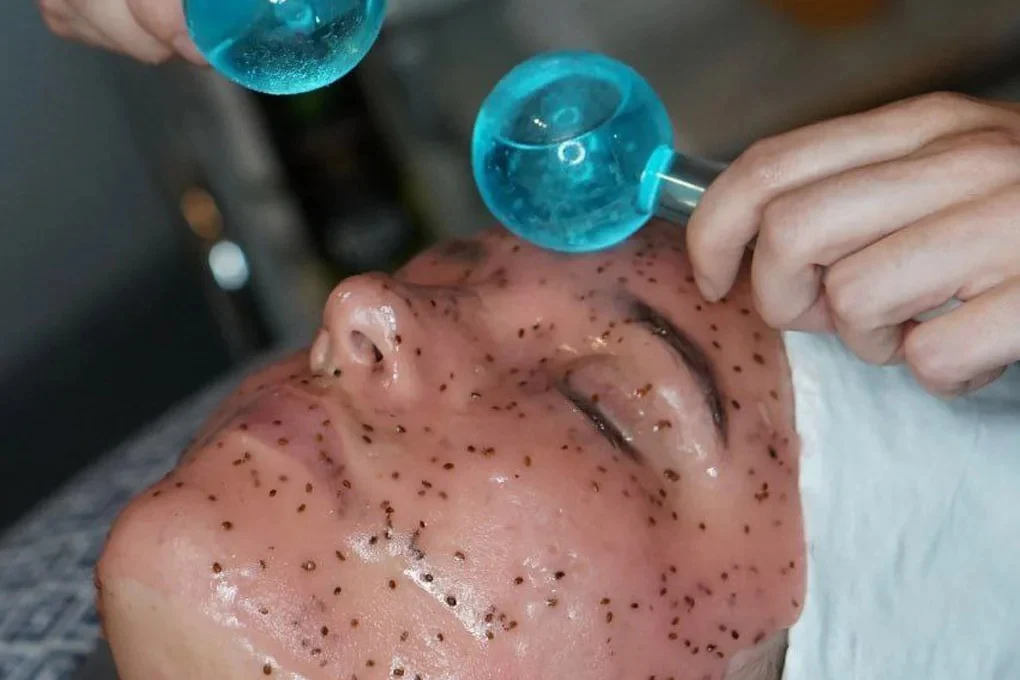
Microneedling has become one of the most popular skin treatments in the country, and one of the most misunderstood. It is not a peel. It is not a facial. It is something different that does what neither of those can do: trigger your skin to rebuild itself from the inside.
We have done microneedling at our Fort Myers studio for years, and the conversations with clients always cover the same questions. Does it hurt? How fast does it work? Is it actually worth the downtime? Here is the honest version.
What this post covers
- What microneedling actually does at the skin level
- Step-by-step what an appointment looks like
- Realistic results timeline (it is not next-day magic)
- Who should absolutely book it, and who should skip
What Microneedling Actually Does
A microneedling pen creates hundreds of micro-injuries in the skin per second using extremely fine sterile needles. These tiny channels trigger your body's wound-healing response, which means new collagen production, increased elastin, and improved skin texture as the channels close.
The needles range from 0.25 mm (very superficial, mostly for product absorption) to 2.5 mm (medical depth, for deep scars). Most spa-grade microneedling sits between 0.5 mm and 1.5 mm, deep enough to trigger collagen response but shallow enough to keep recovery short.
The collagen rebuild is the entire point. Unlike a peel, which exfoliates the surface, microneedling reshapes the deeper layers over the following 4 to 8 weeks. This is why one session does not look like much, and a series of three to six sessions can completely change a face.
What an Appointment Looks Like
Step 1: Consultation and skin prep (10 minutes). We discuss goals, review your skin history, and clean the skin thoroughly. If this is your first microneedling appointment, we go over downtime expectations carefully.
Step 2: Numbing cream (20 to 30 minutes). Topical lidocaine. You sit and relax while it absorbs. Without numbing, microneedling at depth is genuinely uncomfortable. With it, the actual treatment is mild pressure with occasional buzzing.
Step 3: The microneedling itself (20 to 30 minutes). The pen passes systematically across the face in sections. We adjust depth depending on the area: shallower around the eyes, deeper on the cheeks and forehead. Some pinpoint bleeding is normal and a sign the right depth was reached.
Step 4: Serum infusion (5 minutes). Hyaluronic acid or a peptide serum gets pressed into the freshly opened channels. Absorption is significantly higher right after microneedling than at any other time. This is when active ingredients actually work the way the marketing claims.
Step 5: Calming and SPF (5 minutes). A light moisturizer and zinc-based sunscreen. You walk out red and slightly puffy, but presentable for the drive home.
What the Recovery Actually Looks Like
Day 0 (evening): red, warm, looks like a moderate sunburn. Slightly tight. No active sting once you are home.
Day 1: still pink, less red than day 0. Slight rough texture, like fine sandpaper. Makeup not recommended. Most clients work from home or wear a hat outside.
Day 2 to 3: the rough texture peaks and starts to flake gently, almost invisibly. Skin feels tight in the morning. Mineral makeup is okay if needed.
Day 4 to 7: back to mostly normal. Skin looks slightly brighter than baseline. Texture starts to feel smoother.
Week 2 to 4: the collagen response is building. Skin progressively looks more even, fine lines soften, pores look slightly smaller. This is the first visible payoff.
Week 4 to 8: peak result of a single session. If you stop here, results last 3 to 6 months. If you do a second session at week 4 to 6, results compound.
Have a question we can answer?
Drop your name and number. We will text you back from our Fort Myers studio with honest, no-pressure advice for your situation.
Realistic Results From a Series
A single microneedling session improves skin texture and gives a brightening effect. It does not erase deep scars, eliminate wrinkles, or transform problem skin. One session is more like a strong reset than a permanent change.
A series of 3 to 6 sessions, spaced 4 to 6 weeks apart, is where the dramatic results come from. Acne scarring fades by 30 to 70 percent. Sun damage and texture irregularities improve significantly. Fine lines visibly soften. Pores look smaller because the collagen around them tightens.
Maintenance after a series is one session every 4 to 6 months. This keeps the collagen production active without the cumulative downtime of a full series.
Who Should Book and Who Should Skip
Book if: you have acne scarring, fine lines, sun damage from years in Fort Myers and Lee County sun, mild to moderate texture irregularities, large pores, or you want a long-term skin investment that is not Botox or filler.
Skip if: you are currently breaking out actively (treat the breakout first, then microneedle), you have rosacea or eczema that is currently flared, you are pregnant or breastfeeding, you have a recent sunburn or active tan from the past 2 weeks, or you take blood thinners.
If you have melasma, talk to us before booking. Microneedling can help or hurt melasma depending on technique and your skin's response. We sometimes recommend a peel-first approach for melasma clients before introducing microneedling.
Microneedling vs. Other Treatments
Microneedling vs hydrafacial: hydrafacial is for hydration and immediate glow with no downtime. Microneedling is for structural skin change with real recovery. Different goals.
Microneedling vs chemical peel: a peel exfoliates the surface and triggers some cell turnover. Microneedling reaches the dermis and triggers collagen production. Peels work on tone and surface texture. Microneedling works on deep texture and structure. Many of our clients do both, in different seasons.
Microneedling vs laser: lasers can do similar things at a higher price and with more risk on darker skin tones. Microneedling is safer for all skin tones, including the diverse skin we see across Lee County. Our hydrafacial vs peel guide walks through the trade-offs in more depth.
What to Do Before Your First Appointment
Stop retinol 5 days before. Stop AHAs and BHAs 3 days before. Avoid sun exposure for 2 weeks before. Drink water. Show up with clean, makeup-free skin and realistic expectations.
Plan your week. Book microneedling on a Friday if you have a quiet weekend. Avoid booking the week of any major event. Have mineral SPF and a fragrance-free moisturizer at home for the recovery days.
Microneedling is one of the few aesthetic treatments where the patience required is exactly proportional to the result. Three to six sessions over six months, plus consistent at-home care, plus sunscreen, equals real change. The shortcut version is a hydrafacial. The actual investment is microneedling.
What to Avoid Between Sessions
Active sun exposure is the biggest enemy of microneedling results. The new collagen forming in week 2 to 8 is photosensitive, and a single bad sun day can trigger pigmentation that takes months to fade. Hat, glasses, SPF 50 every two hours when outside.
Active acne treatments need a pause. Tretinoin and benzoyl peroxide should stop 5 days before each session and stay paused for 5 to 7 days after. Resume gradually. If your dermatologist has prescribed something specific, loop them in before booking.
Skip facials, dermaplaning, peels, and waxing for 2 weeks after each session. The skin needs to repair without competing trauma. After 2 weeks, light maintenance treatments are fine again.
Drink water. The skin's wound-healing response runs better when you are hydrated. Sounds obvious. Most people do not drink enough during recovery, and it shows in slower results.