Acne-prone skin is one of the most misunderstood skin types when it comes to facial treatments. The internet is full of bad advice: aggressive scrubs, heavy oil cleansers, and DIY extractions that leave permanent marks. The truth is simpler. Acne responds to a steady, professional, low-aggression approach over time, not one dramatic facial.
Here is what actually works for acne-prone skin in our Fort Myers studio, what to avoid, and how to set realistic expectations.
- What acne-prone skin actually needs from a facial
- Treatments that consistently help
- Treatments that often make it worse
- Building a 12-week clear skin plan
- Florida-specific acne factors
What acne-prone skin actually needs
Acne is inflammation. Whether the trigger is hormones, bacteria, blocked pores, or a combination, what you see on the surface is your skin reacting. So the question for any treatment is: does this calm inflammation, or does it add to it?
The treatments that consistently help acne-prone clients share a few qualities. They cleanse without stripping. They support oil regulation rather than fighting it. They include professional-grade extraction done by trained hands, not aggressive squeezing. They incorporate ingredients with real evidence: salicylic acid, niacinamide, azelaic acid, low-strength retinoids, and gentle alpha hydroxy acids.
What they avoid: harsh physical scrubs, broken capillaries from over-extraction, heavy occlusive masks that trap heat and bacteria, and skin-stripping cleansers that trigger more oil production by drying the skin out.
Treatments that consistently help
The acne-focused treatments we use most often:
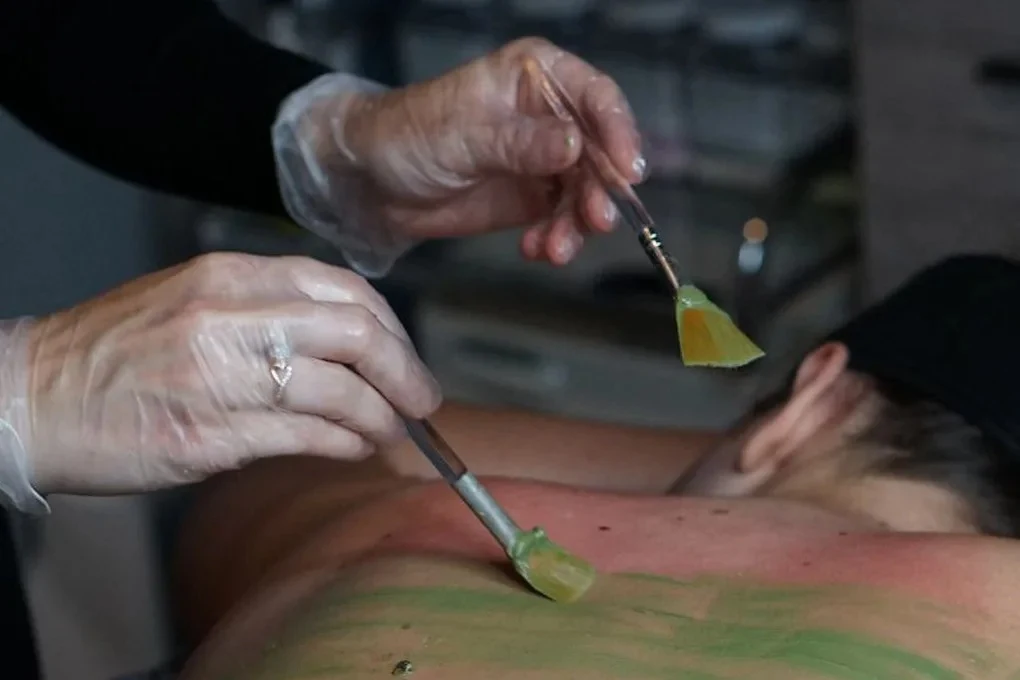
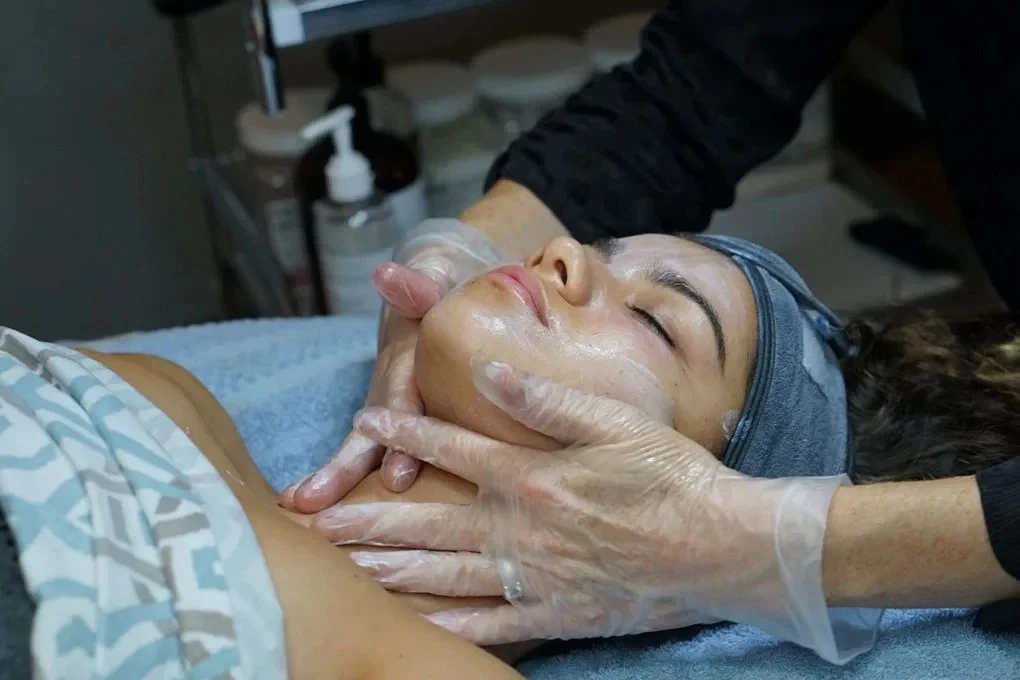
- Deep cleansing facials with steam and extractions, done by an esthetician who knows when to extract and when to let a blemish be. Forced extractions cause scarring. We do not do that.
- Salicylic acid peels at low to medium strength to clear pores from inside, regulate oil, and reduce inflammation. Light peels have no real downtime.
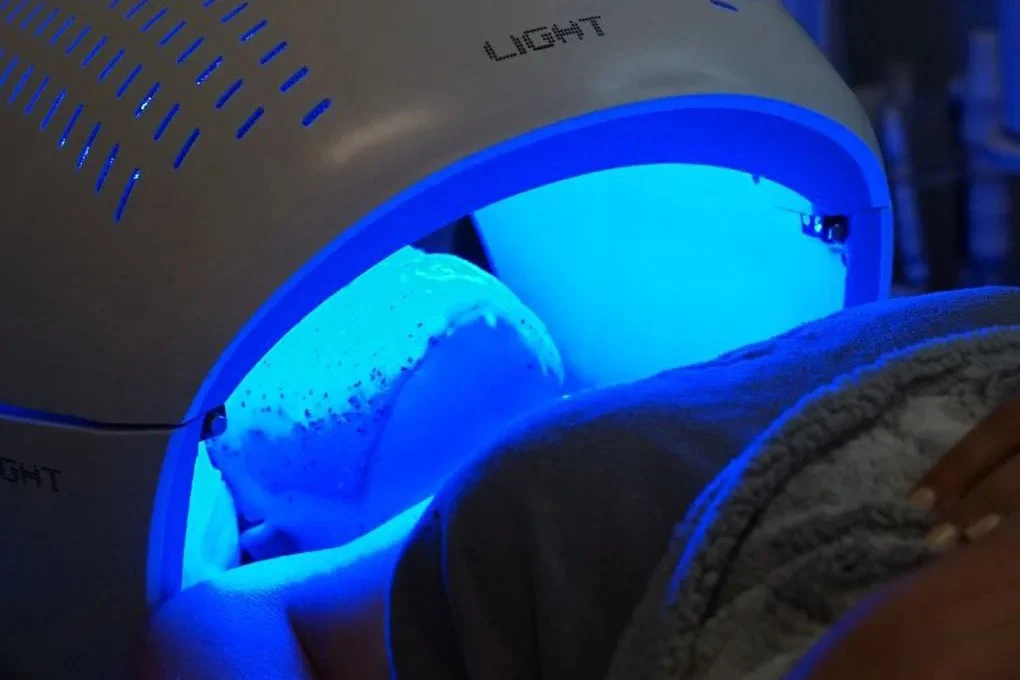
- LED light therapy, especially blue light, to reduce acne-causing bacteria without irritating the skin
- Hydrafacial-style treatments for clients whose acne comes with congestion. The vacuum extraction step gently lifts blockages without damaging skin.
- Calming hydration facials between active treatments to prevent the over-dried, irritated cycle
For most acne-prone clients, the protocol is a mix of these spaced 3 weeks apart for the first three months, then settling into monthly maintenance.
Tired of trying random facials that flare your skin?
Send your name and number. We will call to talk through what is actually causing your acne and the right facial plan for it.
Treatments that often make it worse
The treatments we steer acne-prone clients away from, especially for new clients still figuring out their skin:
- High-strength glycolic peels on inflamed skin. Glycolic is great for many things, but it can intensify breakouts in active acne phases. We use lactic or salicylic instead.
- Microdermabrasion on cystic acne. The mechanical action irritates already-inflamed lesions and can spread bacteria to clean skin.
- Heavy oil-based facial massage on oily, congested skin. The technique is fine, but the carrier oils can sit in pores and add to the problem.
- Anything that causes heat or significant redness. If a treatment leaves you red and warm for hours, your inflammation is up, and acne-prone skin punishes that for days.
If a facialist insists on doing aggressive extractions on lesions that are not ready (no white head, no clear path out), get up and leave. That is how scars form. Good professional extraction is precise and limited.
Building a 12-week clear skin plan
Real change in acne-prone skin takes about 12 weeks, which matches three full skin cycles. Here is the structure we use with most new acne clients:
Weeks 1 to 4
Initial deep cleansing facial with extractions. We assess the skin, identify triggers, and start a simple home routine: gentle cleanser, salicylic or niacinamide serum, moisturizer, daily SPF. No new actives until the next visit.
Weeks 5 to 8
Second facial 3 weeks after the first. Often a low-strength salicylic peel if the skin is calm enough, or another deep cleanse if not. Add a low-strength retinoid at night if tolerated.
Weeks 9 to 12
Third facial 3 weeks after the second. By now, breakouts are usually 50% to 70% reduced. We may add LED therapy or another peel based on what we see. Home routine settles into the version you can sustain.
Beyond week 12
Most clients shift to monthly maintenance facials. The goal is preventing flare-ups, not chasing them after they happen. Skin gets calmer, clearer, and more predictable when it is on a steady cadence.
Florida-specific acne factors
Living in Fort Myers adds a few variables to acne management:
- Heat and humidity increase oil production. Most clients need a slightly different summer routine than winter.
- Sweat plus sunscreen can clog pores in hot months. Look for non-comedogenic, fragrance-free SPF, and rinse your face after long outdoor stretches.
- Air conditioning dries skin and triggers compensatory oil production. A lightweight hydrating serum during the day helps.
- Salt water and chlorine can either help (some clients clear up after beach days) or trigger flare-ups depending on individual chemistry. Pay attention to your pattern.
For broader skincare adjustments specific to the local climate, our guide to building a skincare routine for Fort Myers heat goes into the daily side. The facial side and the home side should reinforce each other.
One last note: acne is not a moral failing or a sign you are dirty. It is a medical condition with real triggers and real treatments. If facials and a solid routine are not making a meaningful dent after 12 weeks, the next step is a dermatology referral for prescription support. We will tell you straight when we think that conversation is worth having. See our facials and skin care services to see the full menu.
Adult acne vs teen acne
Most of our acne facial clients are not teenagers. Adult acne behaves differently and responds to different approaches.
Teen acne is usually driven by surging hormones, oil production, and bacteria. It tends to cluster on the forehead, nose, and chin (the t-zone) and responds well to standard salicylic acid protocols and consistent cleansing.
Adult acne, especially in women in their late 20s through 40s, often clusters on the lower face and jawline. The triggers are more layered: hormonal cycles, stress cortisol, dietary patterns, sleep quality, and skincare routines that worked years ago but are no longer right for the skin. The treatment plan is gentler, more targeted, and almost always involves a longer time horizon.
If you have had adult-onset acne after years of clear skin, the question we always start with is: what changed? New medication, new birth control or stopping it, new stress, new climate (snowbirds and recent transplants to Fort Myers see this often), or new products. Identifying the trigger is half the work. The other half is patience. Adult acne almost always responds, but it takes longer than the 12 weeks we map out for teens or first-time clients. Plan for 4 to 6 months of steady professional care before you draw conclusions.
One trigger worth flagging for our local clients: hard water. Lee County water varies by neighborhood and can be hard enough to leave residue on skin after washing. If you have switched homes recently or moved to Fort Myers from a softer-water area and broken out for no obvious reason, install a shower filter or do a final rinse with bottled water for a few weeks and see if it changes. We have seen this fix stubborn jawline acne more than once.